

In this article, you can discover… Unique estate planning challenges for blended families. How to ensure your biological children are financially protected in an estate plan. Key conversations to have as a blended family during the estate planning process. What Unique Estate Planning Challenges Do Blended Families Face In El Paso County, Colorado? The primary challenge for blended families is ensuring that the intentions of both parties are clearly carried out. Often, one spouse may express the desire for their children to be taken care of after their passing. However, when the first spouse dies, all assets typically pass to…Read More

Marriage does not always look the same years down the road as it did on the wedding day. Financial circumstances can change, inheritances can arise, or couples may simply want clearer expectations about their financial future. In those situations, postnuptial agreements in Colorado can provide a structured and enforceable way to define financial rights and responsibilities after marriage. What Is A Postnuptial Agreement In Colorado? How Are They Different From Prenuptial Agreements? A postnuptial agreement is entered into after the marriage has already taken place. These agreements often come into play when something has changed in the marriage. That could…Read More
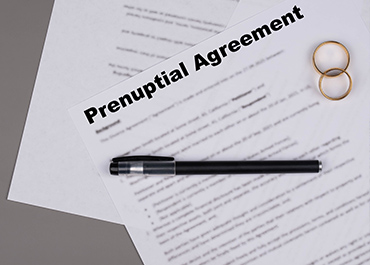
Prenuptial agreements can be an important planning tool for couples entering marriage, particularly when there are significant assets, prior marriages, or children involved. Colorado law places specific requirements on how these agreements are created and enforced, and misunderstandings about the process can lead to problems down the road. This article explains prenuptial agreements in Colorado, including timing, legal requirements, costs, and how couples can approach the conversation in a healthy and productive way. How Far In Advance Should Couples Draft A Prenuptial Agreement Before Marriage In Colorado? Prenuptial agreements in Colorado have some fairly strict requirements. One of the most…Read More

When a will is challenged, one of the most complex and emotionally charged issues is whether the person who created it had the mental capacity to do so. Courts in Colorado apply specific legal standards when evaluating these claims, and those standards do not always align with what families may assume qualifies as incapacity. This article explores mental incapacity and will contests in Colorado, including who can bring a challenge, how courts evaluate capacity, and why timing and evidence matter so much in these cases. What Does Mental Incapacity Mean Under Colorado Probate And Will Contest Laws? Mental incapacity means…Read More

When a loved one passes away, families are often faced with important legal decisions during an already emotional time. One of the most common questions is whether an estate should go through informal or formal probate. In this article, we explore informal vs formal probate in Colorado, including which estates qualify, how timelines differ, when to consult an attorney, and the common misconceptions families have about each process. Which Estates Qualify For Informal Probate Under Colorado Probate Law? Basically, any estate can qualify for informal probate. The decision is made at the time the probate case is filed. If you…Read More

In this article, you can discover… The difference between legal separation and divorce. When would you choose legal separation instead of divorce. How reconciliation comes into play during a legal separation. What Is The Legal Difference Between Separation And Divorce Under Colorado Family Law? The primary difference lies in the status of the marriage itself. In a legal separation, the marriage remains intact; the couple is still legally married even after dividing assets and resolving related matters. Divorce, on the other hand, fully terminates the marriage. While the processes may be similar in terms of asset division and other issues,…Read More

In this article, you can discover… How creditor claims might extend a probate timeline. Common executor mistakes that might extend the probate timeline. How family disputes can extend probate, and how an attorney can help mitigate these factors. How Do Creditor Claims Extend The Probate Timeline? If creditor claims are handled correctly, creditor claims should not extend the probate timeline. Once the notice to creditors is filed, claims are cut off after four months, which is not a long period of time in terms of administering an estate. However, if you do not file the notice, creditors have one year…Read More
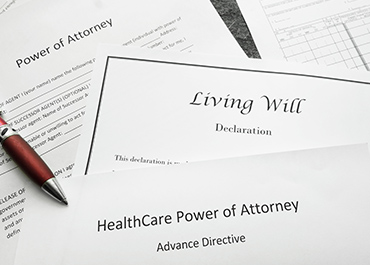
In this article, you can discover… If handwritten (holographic) wills are legally valid in Colorado. The legal risks of relying on handwritten wills. Common mistakes people make when writing their own wills. What Makes A Handwritten (Holographic) Will Legally Valid In Colorado Probate Court? Colorado does recognize handwritten, or “holographic” wills, but they must meet specific requirements to be valid. Generally, the will must be in writing, signed by the person creating it, and witnessed by two individuals who also sign the document. The other way to prove validity is if the entire document is in the decedent’s handwriting and…Read More

In this article, you can discover… What undue influence means for probate in Colorado. Who is legally allowed to file an undue influence claim. The role of psychological or medical evaluations in proving undue influence. What Does “Undue Influence” Mean Under Colorado Probate And Estate Law? Undue Influence is a legal concept that’s determined based on the specific facts of each unique case. At its core, undue influence refers to a situation where someone pressures or manipulates the testator, or the person creating the will, into making a decision (or multiple decisions) that doesn’t reflect their true intentions. In this…Read More

In this article, you can discover… When a formal probate hearing is required in Colorado. How families can best prepare for a probate hearing. The legal process that comes immediately after a formal probate hearing. What Is A Formal Hearing, And When Is It Required? Formal probate is usually chosen if you know that there are going to be major disputes up front. For example, if you believe that a will is going to be contested, that a disinherited party is going to argue that they were meant to be included in a will, or other serious matters that will…Read More